¡Differents cultures in Italy!

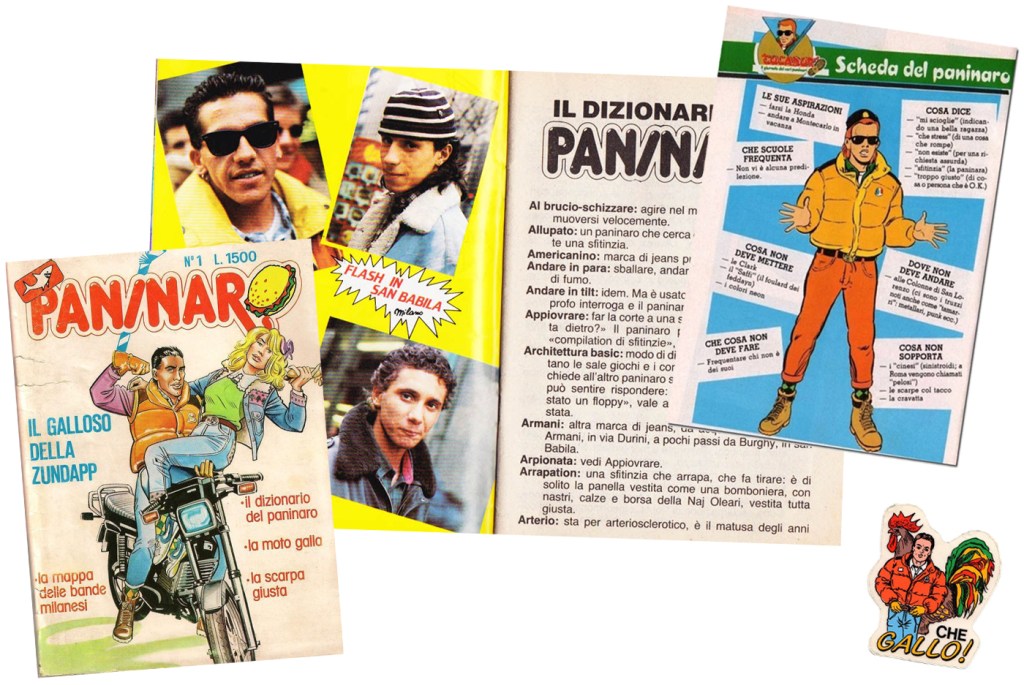
The Paninaro were a purely Italian phenomenon, despite their inspiration and influences. In the 1980s, the transalpine country was an effervescent, if not very crazy, nation. The first thing that draws attention to this subculture is its love for feathers (mostly Moncler), both in the form of a full coat and a very colorful vest.  It was characterized by an obsession with designer clothing and adherence to a lifestyle based on luxury consumption that involved every aspect of daily life. The phenomenon soon became known throughout Italy and led to the birth of magazines, films and television parodies.

¡Two models of Culture!

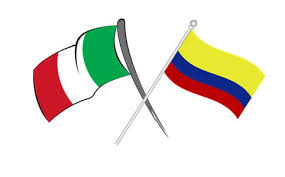
Colombia and Italy have many similarities from Lewis Model’s point of view, which says Colombia and Italy have many similarities from Lewis Model’s point of view, which says humans can be divided into 3 clear categories, based not on nationality or religion but on BEHAVIOR. he named his typologies Linear-active, Multi-active and Reactive. Colombia and Italy are in the multi-active group, this means that people in this countries are characterized by being emotion, talkativeness, rhetoric, drama, eloquence, persuasion, expressive body language, importance of religion or creed, etc. All of this, because Lewis model affirm that Southern Europe, Mediterranean countries, South America and another countries are in the group of Multi-active.

On the other hand, from the point of view of Hofstede model Colombia and Italy have many dimensions with a similar score, although there are some in which they don’t. Because this model affirm that national culture consists of six dimensions. The cultural dimensions represent independent preferences for one state of affairs over another that distinguish countries (rather than individuals) from each other. Dimensions like power distance, masculinity, uncertainty avoidance, Colombia and Italy have similar scores, but dimensions like individualism, long term orientation and indulgence they don’t have similar scores. This means that Colombia and Italy, as well as they have dimensions that express a similarity in these countries, you can notice the difference in the other dimensions that demonstrate that show differences.

Observing the above and taking into account the two models, I can say that I like the model of Lewis much more than the Hofstede model because the distribution of the different countries and continents of the world that made Lewis model is more objetive. I was researching and Lewis made a huge travel looking and learning about countries around the world to create his model, what makes his model more convince.

¡Comparative Paragraph!

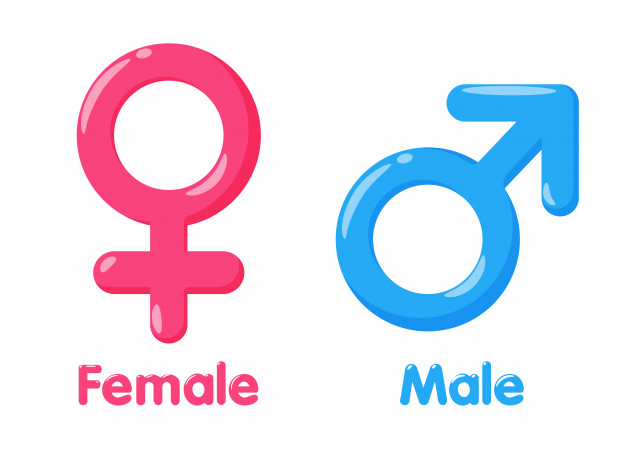
Colombia: There are some stereotypes about how Colombian women and men are. First of all, Colombian women are considered beautiful, who know how to dance and like rumba, all of them speak paisa, who are interested, among other things. The Colombian man is immediately related to drugs, weapons or mafia, it is also thought that they are the only ones who work and support the home, who like drinks and parties.

Italy: There are some stereotypes about how Italian women and men are. Italian women are beautiful, direct, loving, they speak loudly, they are white skinned, hardworking, have children after 30, among other things. On the other hand, Italian men are elegant, they love food and good wine, they depend a lot on the mother, they have a very big nose, they are womanish and they like family, among other things.

¡Drawing!

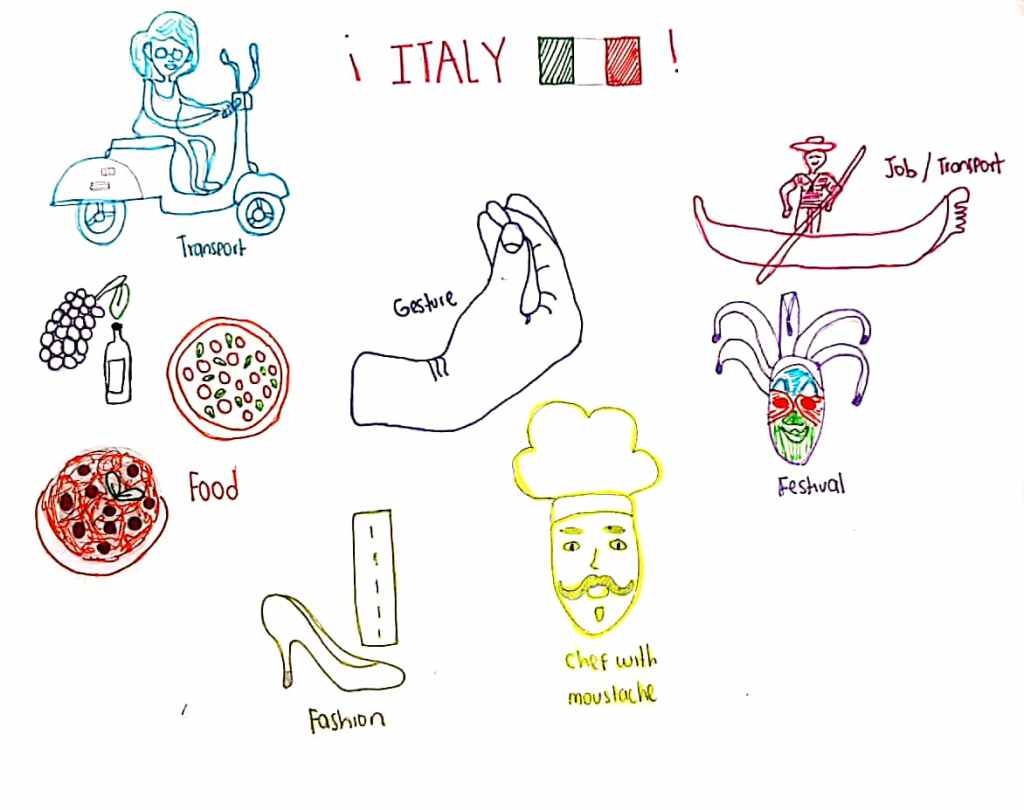
When I think of Italians, one of the things that comes to mind immediately is the food that is most common to find there (as shown in the drawing) pizza, pasta and wine thanks to the vineyards in Italy. On the other hand, I imagine chefs with mustaches saying «mamma mia» and cooking pizzas everywhere in the restaurants. Also, thanks to the news and fashion magazines, I know that Italy is one of the most important fashion centers in the world, with Italian designers being the most recognized in the world of catwalk and fashion. And finally, the films always introduced me to the Italians who spoke with gestures in their hands (especially the one I drew), at festivals in the streets or in gondolas around Venice and transporting them on motorcycles. This is my image of Italian people.

Preséntate (entrada de muestra)

Esto es una entrada de muestra, originalmente publicada como parte de Blogging University. Regístrate en uno de nuestros diez programas y empieza tu blog con buen pie.

Hoy vas a publicar una entrada. No te preocupes por el aspecto de tu blog. Tampoco te preocupes si todavía no le has puesto un nombre o si todo esto te agobia un poco. Tan solo haz clic en el botón «Nueva entrada» y explícanos por qué estás aquí.

¿Por qué es necesario?

  • Porque proporciona contexto a los nuevos lectores. ¿A qué te dedicas? ¿Por qué deberían leer tu blog?
  • Porque te ayudará a concentrarte en tus propias ideas sobre tu blog y en lo que quieres hacer con él.

La entrada puede ser corta o larga, una introducción de tu vida o una declaración de los objetivos del blog, un manifiesto de cara al futuro o una breve descripción del tipo de cosas que pretendes publicar.

Te ofrecemos algunos consejos útiles para ayudarte a empezar:

  • ¿Por qué publicas tus entradas en lugar de escribir en un diario personal?
  • ¿Sobre qué temas crees que escribirás?
  • ¿Con quién te gustaría conectar a través de tu blog?
  • Si tu blog resulta ser un éxito a lo largo del próximo año, ¿qué objetivo te gustaría lograr?

No tienes por qué atarte a las decisiones que tomes ahora. Lo bueno de los blogs es que evolucionan constantemente a medida que aprendemos nuevas cosas, crecemos e interactuamos los unos con los otros. Pero está bien saber dónde y por qué empezaste, y plasmar tus objetivos puede darte más ideas para las entradas que quieres publicar.

¿No sabes por dónde empezar? Tan solo escribe lo primero que se te ocurra. Anne Lamott, autora de un libro sobre cómo escribir que nos encanta, afirma que debemos permitirnos escribir un «primer borrador de mierda». Anne está en lo cierto: tan solo tienes que empezar a escribir, y ya te encargarás de editarlo más tarde.

Cuando todo esté listo para publicarse, asigna entre tres y cinco etiquetas a la entrada que describan el centro de atención de tu blog: escritura, fotografía, ficción, educación, comida, coches, películas, deportes… ¡Lo que sea! Estas etiquetas ayudarán a los usuarios interesados en tus temas a encontrarte en el Lector. Una de las etiquetas debe ser «zerotohero», para que los nuevos blogueros también puedan encontrarte.

Diseña un sitio como este con WordPress.com
Comenzar